Ultimate High Guide: Diagnosing High Clutch Symptoms
This Ultimate High Guide helps drivers, technicians, and performance builders identify high clutch symptoms before they become expensive failures. It covers pedal height, engagement point, slipping under load, flywheel heat, hydraulic pressure, and clutch torque capacity. You will learn normal measurements, warning signs, diagnostic steps, repair options, and preventive maintenance for street, towing, and high-horsepower applications.
What a High Clutch Symptom Means
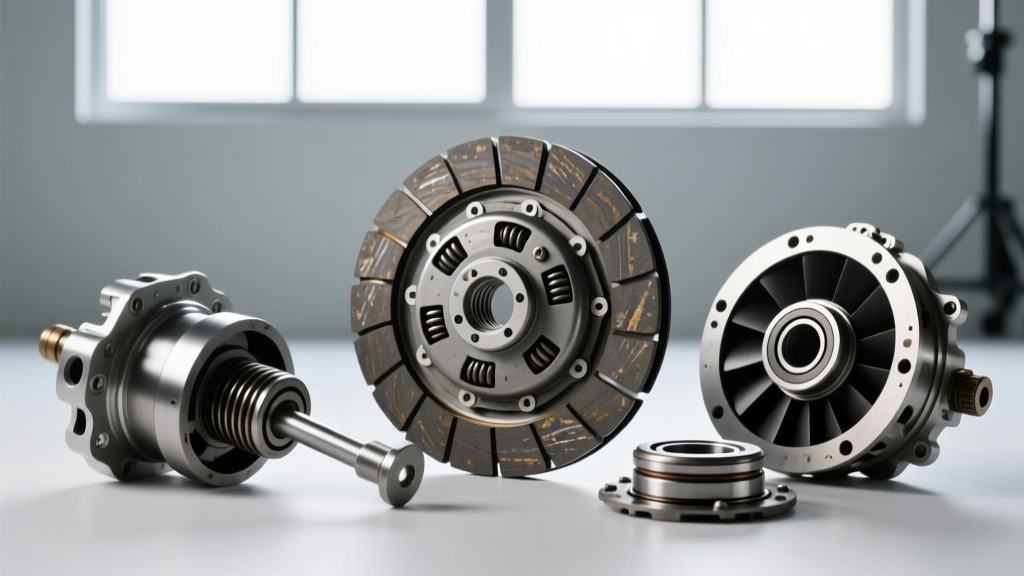
A high clutch symptom usually describes a condition where the clutch pedal sits higher than normal, engages too high in the pedal stroke, or slips only when engine torque is high. In a manual vehicle, the clutch is the coupling between the engine flywheel, friction disc, and pressure plate. When the pressure plate cannot clamp the disc with enough force, the engine RPM rises without matching vehicle speed. That mismatch is the core clue.
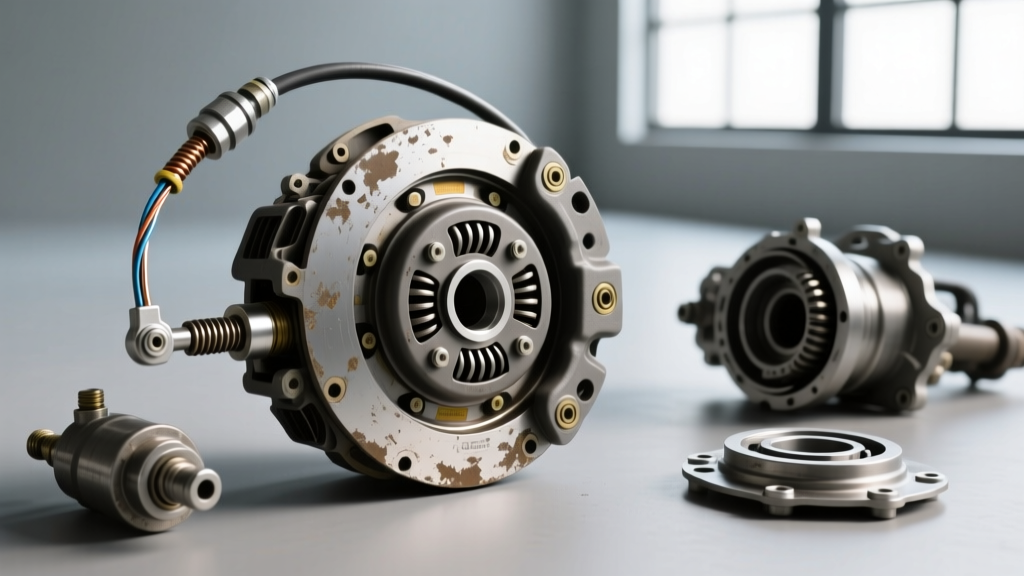
High engagement can be mechanical, hydraulic, or wear-related. A pressure plate spring may be fatigued, a release bearing may be dragging, a master cylinder may be losing fluid, or a clutch disc may be oil-contaminated. In turbocharged and supercharged engines, the torque spike can overwhelm a stock clutch even if the disc still looks acceptable to the eye.
Pedal Height, Free Play, and Engagement Point
Pedal measurements are the fastest way to separate a simple adjustment from a failing clutch. On many passenger cars and light trucks, proper clutch pedal free play ranges from 0.50 to 1.50 inches at the pedal pad. The clutch should begin to disengage before the pedal reaches the top half of its travel, and full disengagement often occurs around 2.00 to 3.50 inches of pedal movement depending on the vehicle and hydraulic ratio.
When a driver says the pedal is high, they may mean the bite point is near the top. That can indicate a worn disc, collapsed pressure plate fingers, a poorly adjusted cable, air in a hydraulic line, or a slave cylinder that is not returning fully. A very low pedal, by contrast, may point to excess free play, a leaking master cylinder, or a bent release fork.
Normal Travel Measurements
Use a ruler or digital caliper for consistent results. On cable systems, check that the cable has about 0.125 to 0.250 inches of free play at the slave end. On hydraulic systems, verify pedal height and compare with service data. A healthy system should feel smooth, springy, and repeatable. If the pedal sticks high after the engine warms up, thermal expansion or fluid boiling may be involved.
Clutch engagement can also be checked by measuring RPM rise. A good test is to hold steady throttle in third gear at about 30 mph. On a healthy clutch, engine RPM and vehicle speed should track closely. If RPM jumps 300 to 600 rpm within one second while speed barely changes, the clutch is slipping.
- Pedal free play: 0.50 to 1.50 inches on many street vehicles.
- Bite point: often in the middle third of pedal travel.
- Slip test: 300 to 600 rpm jump at steady throttle is a warning.
- Fluid check: DOT 3 or DOT 4 should be clean, not dark or cloudy.
- Cable condition: fraying near the end can mimic hydraulic failure.
Common High Clutch Symptoms and Root Causes
High clutch symptoms rarely appear as one isolated sign. They usually combine pedal feel, shifting behavior, and torque response. The most common complaint is a rising RPM that does not match acceleration. Another is a burning odor after hill starts or aggressive launches. A third is difficulty engaging first or reverse when the engine is running, especially if the pedal feels stiff.
Oil contamination is a frequent root cause. Rear main seal or input shaft seal leaks can soak the friction disc, reducing clamp force and causing slip. Even a small amount of fluid can raise the slip threshold because clutch friction depends on clean contact between the disc and flywheel.
Hydraulic problems can also create a high pedal. A master cylinder bore of 15/16 inch paired with an 11/16 inch slave cylinder can generate strong hydraulic force, but if the bore seals swell with contaminated fluid or air enters the line, the pedal may feel spongy and return slowly. In some vehicles, a leaking slave cylinder inside the bellhousing drops fluid into the clutch chamber, which can cause the pedal to sit high while the clutch remains partially disengaged.
- Worn pressure plate fingers reduce clamp force and raise the bite point.
- Fatigued disc springs allow the friction surface to lose contact under heat.
- Oil on the disc lowers effective friction and causes RPM spikes.
- Air in hydraulic lines makes the pedal soft and unpredictable.
- A dragging release bearing can keep the clutch slightly disengaged.
- A warped flywheel creates pulsation, chatter, and uneven contact.
- Excessive torque from turbo boost can exceed stock clutch capacity.
High-Performance Clutch Torque and Heat
When discussing high clutch symptoms in performance vehicles, torque capacity becomes central. A stock street clutch may be rated for 200 to 300 lb-ft of engine torque. A performance disc such as an Exedy Organic, ACT 6-pin, Luk 762, or Sachs Performance unit may be rated for 300 to 500 lb-ft depending on disc material and pressure plate spring load. If an engine produces 400 lb-ft and the clutch is rated for 250 lb-ft, the clutch will slip under acceleration even when the pedal height looks normal.
Heat is the second factor. Clutch discs can reach 400 to 600 degrees Fahrenheit during aggressive launches, repeated hill starts, or towing. Organic friction materials tolerate heat less than cerametallic or full-carbon racing materials. Once heat soak occurs, pressure plate springs may weaken temporarily, and the disc may glaze, creating a higher bite point and reduced grip.
Clutch heat also affects flywheel runout. A flywheel should usually stay within 0.002 to 0.004 inches of total runout. If heat warps the mating surface, contact pressure becomes uneven, producing vibration and slip. Replacing the clutch alone without machining or replacing the flywheel can cause the new disc to fail within 5,000 to 15,000 miles.
| Symptom | Typical Measurement | Likely Cause |
|---|---|---|
| High bite point | Engagement above 3.5 inches | Worn disc, pressure plate, air in hydraulic line |
| Slipping under load | RPM jump 400 to 800 rpm | Contamination, low clamp force, torque spike |
| Sticky pedal | Pedal returns slowly | Master cylinder seal, release bearing, cable binding |
| Shudder at launch | Vibration between 1,200 and 2,500 rpm | Warped flywheel, oil contamination, glazed disc |
| Hard shifting | Grinding or resistance at 1st or reverse | Release bearing, hydraulic pressure, warped disc |
Brand Examples and Real-World Data
Brand names help translate symptoms into repair decisions. Exedy organic street kits often use spring-loaded hubs and a disc thickness near 8.00 mm when new. Luk heavy-duty kits for towing may use reinforced diaphragm springs and higher clamp load. ACT 6-pin discs provide more positive engagement and heat tolerance but may increase chatter during normal driving. Sachs kits are common in European applications and often use pressure plates with a torque capacity matched to turbocharged four-cylinder engines. King and ZF kits appear in diesel and heavy-duty trucks where torque can exceed 500 lb-ft.
For a 300 hp street car making 350 lb-ft, a stock clutch may work if the torque curve is flat. For a turbocharged car making 450 lb-ft, a 6-pin or cerametallic disc from ACT or Exedy may be appropriate. For a diesel truck producing 800 lb-ft, a single-plate organic disc will usually slip; a dual-plate or multi-plate heavy-duty clutch is often required. Always compare torque rating, disc material, flywheel surface, and cooling airflow.
Diagnosing While Driving, Idling, and Shifting
Driving tests should be done safely and briefly. With the vehicle stopped in neutral, press the clutch pedal slowly. If it starts disengaging near the top, note whether the engine revs rise slightly when the pedal is released. If RPM does not change, the pedal height may simply be adjusted. If RPM rises and falls oddly, a release bearing or pressure plate issue may be present.
In motion, choose a straight road with little traffic. Accelerate in second or third gear at moderate throttle. On a healthy clutch, engine RPM and vehicle speed rise together. If the tachometer jumps without proportional acceleration, the clutch is slipping. Repeat the test after the clutch has warmed for ten minutes. If slipping worsens when warm, heat-induced pressure plate fatigue or fluid contamination is likely.
At idle, a dragging clutch may prevent smooth gear selection. If first gear is hard to engage with the engine running but easy with the engine off, the clutch is not fully disengaging. Causes include air in the hydraulic line, a failed master cylinder, a warped disc, or a release bearing that does not return. Check for pedal height loss after the vehicle sits overnight, which can indicate slow hydraulic leak-down.
Listen for bearing noise. A release bearing often whines when the pedal is pressed. A clutch disc spring may rattle at idle. A pressure plate finger may clatter if the diaphragm spring is fatigued. Noise alone does not always mean immediate replacement, but noise combined with high bite point and slip should trigger a clutch inspection.
Repair, Adjustment, and Replacement Options
Adjustment is often the first step for cable systems. The clutch cable should have a small amount of free play at the pedal and at the slave arm. If the cable is stretched or the end is frayed, replacement is cheaper than a clutch job. Hydraulic systems are different. A clutch fluid level drop indicates a leak somewhere in the master cylinder, line, slave cylinder, or bellhousing. Bleeding may restore pedal feel temporarily, but a swollen seal or internal bypass will return.
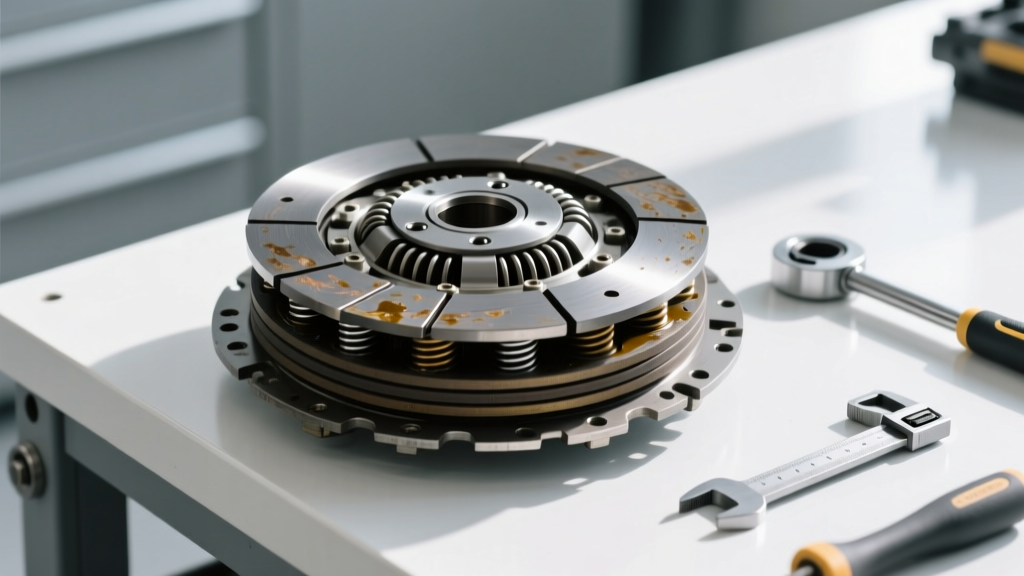
Clutch replacement requires removing the transmission. The technician should inspect the flywheel, pilot bearing, release bearing, input shaft seal, rear main seal, and pressure plate bolts. Pressure plate torque specs often range from 15 to 30 ft-lb depending on bolt size and vehicle. A common mistake is over-torquing or under-torquing in a spiral pattern, which can warp the pressure plate or create uneven clamp force.
For performance builds, upgrade the clutch and tune the engine together. If torque rises from 250 to 450 lb-ft, the clutch must be rated above peak torque with a margin of at least 15 percent. A 450 lb-ft engine should use a clutch rated for at least 520 lb-ft to account for driveline shock, tire grip, and driver abuse. Use a disc material suited to the street, because a race clutch with very high clamp load can overload the transmission input shaft bearings.
- Adjust cable free play to 0.125 to 0.250 inches at the slave end.
- Bleed hydraulic systems with DOT 4 fluid when specified, watching for dark or cloudy fluid.
- Replace clutch discs at 6.50 mm thickness or when friction surface is glazed.
- Machine flywheels within 0.004 inches runout, or replace if pitted or heat-cracked.
- Upgrade pressure plate springs for towing or high-torque turbo applications.
- Inspect rear main seals before installing a new disc to prevent oil contamination.
Preventive Maintenance and Failure Avoidance
Most high clutch failures are avoidable with simple habits. Avoid riding the clutch at stops. Keep the left foot off the pedal when coasting. For manual vehicles with hill starts, use the parking brake or throttle control rather than holding the clutch at the bite point for long periods. In traffic, avoid repeated launch cycles that heat the disc above 500 degrees Fahrenheit without cooling airflow.
Fluid maintenance matters. Clutch hydraulic fluid absorbs moisture over time, which lowers its boiling point. If fluid boils during a long downhill or heavy launch, the pedal may sink or feel soft. Replace fluid every two to three years on performance vehicles, or sooner if it appears dark, milky, or contaminated. Use the manufacturer-specified DOT fluid, and never mix silicone-based brake fluid with DOT fluid.
Drivetrain health affects the clutch too. Worn transmission mounts can change pedal geometry and create false high engagement. A loose shifter linkage can make gears feel difficult when the clutch is healthy. Tire size changes, especially larger tires, increase effective load on the clutch during acceleration. A 2-inch lift with 35-inch tires can make a stock clutch feel like it is slipping because the engine must work harder to move the heavier wheel assembly.
When to Replace vs Adjust
Replace the clutch when the friction disc is worn below the service limit, the pressure plate is overheated, or the flywheel cannot be machined within tolerance. Many organic discs are replaced when thickness reaches 6.50 mm or when the friction material is less than 0.060 inches from the rivet head. Pressure plates with blue heat marks, warped fingers, or cracked springs should be replaced even if the disc looks usable.
Adjust the system when the problem is pedal geometry, cable stretch, air in the line, or a faulty slave cylinder. A high pedal that returns to normal after bleeding and adjustment may not need a clutch replacement. However, if slipping persists at high load, the clutch assembly is likely compromised. In performance vehicles, also replace the clutch when upgrading torque beyond the original clutch rating. A stock clutch cannot be adjusted into a high-torque clutch.
Use the Ultimate High Guide as a decision path: measure, test, inspect, then act. Pedal height tells you where engagement starts. RPM slip tells you whether torque transfer is failing. Fluid condition tells you whether hydraulics are stable. Flywheel runout tells you whether mating surfaces are true. Torque rating tells you whether the clutch matches the engine. When those data points agree, diagnosis becomes straightforward, and repair choices stop being guesswork.