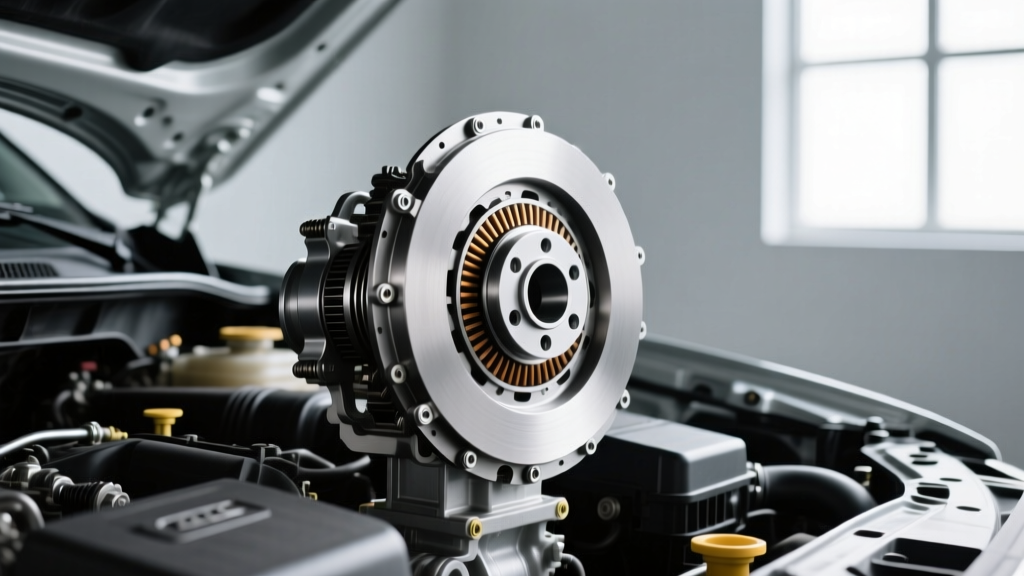
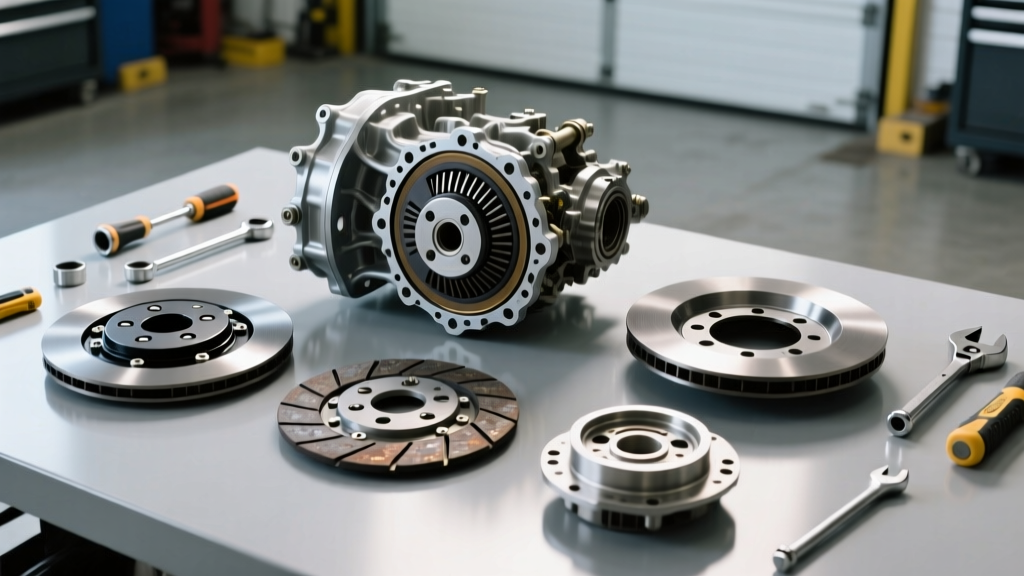
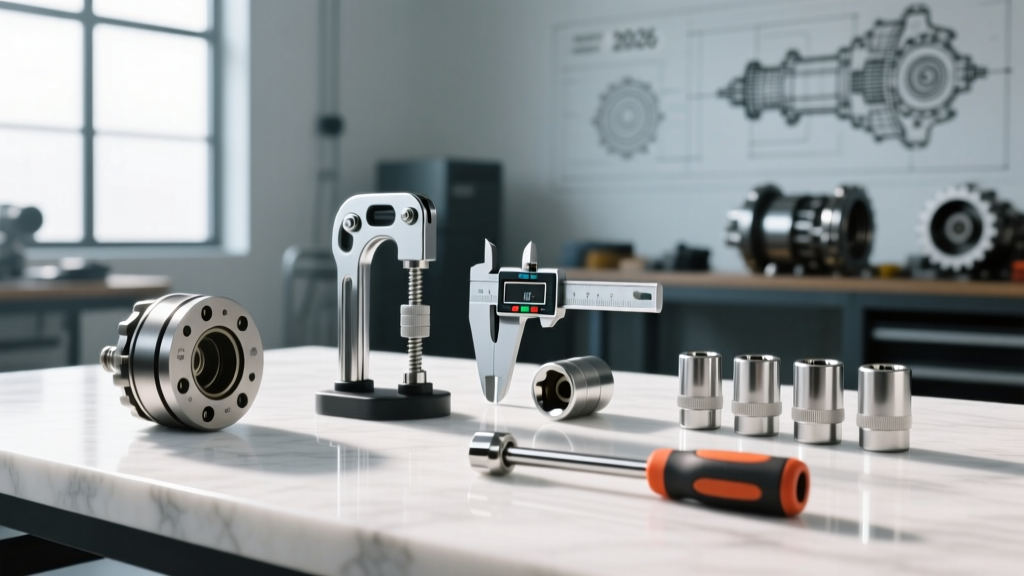
A best clutch disc plate for cost is not simply the cheapest disc. It is the friction disc that delivers the required torque capacity, pedal feel, heat resistance, spline compatibility, and service life for your price tier. For most street cars, a high quality organic or ceramic organic disc from Exedy, Luk, or ACT costs between 140 and 320 dollars and provides 250 to 450 pound feet of dependable capacity. For trucks and heavy vehicles, a 9.25 inch or 8.66 inch disc with reinforced friction may cost 180 to 420 dollars and handle 600 to 1,200 pound feet. A racing full friction or sintered disc can cost 450 to over 900 dollars. The right choice depends on engine torque, flywheel diameter, disc thickness, spline count, and intended duty cycle.
What the Best Clutch Disc Plate For Cost Actually Means
Clutch cost should be measured in cost per mile, cost per horsepower hour, and risk of failure. A 160 dollar disc that fails in 18 months is more expensive than a 270 dollar disc that lasts five years under similar use. This is especially true when the flywheel needs resurfacing, the transmission must be pulled, or the pilot bearing and throwout bearing are replaced at the same time.
Many buyers compare disc plates by price alone, but the better comparison starts with torque capacity. If your engine produces 220 pound feet at the crank and the clutch is rated for 240 pound feet, you have only a small safety margin. Heat, altitude, towing, aggressive launches, and worn pressure plates reduce available clamp load quickly. A slightly more expensive disc with 320 pound feet capacity often makes more sense than the lowest priced option.
Pedal feel also has monetary value. A disc that grabs harshly may be cheap to buy but expensive to live with in traffic. A smooth disc with a well matched friction surface may cost more but reduces driver fatigue and accidental stalls, especially in daily drivers and work vans.
Compatibility is another hidden cost. A disc with the wrong spline count, hub height, or torsional damper design can cause noise, premature wear, or transmission damage. The best value is a clutch disc plate that matches the flywheel, pressure plate, input shaft, torque range, and heat cycle without requiring custom machining.
Friction Material Is Where Clutch Disc Plate Money Goes
Organic friction material is the most common cost effective choice for street use. It is made from resin bonded fibers, rubber compounds, and fillers. It offers smooth engagement, moderate heat tolerance, and quiet operation. Typical organic discs handle about 250 to 400 pound feet in passenger car diameters and are often priced from 120 to 240 dollars. They are ideal for stock to mildly modified vehicles, but they can fade after repeated hot launches.
Ceramic organic material adds ceramic particles or metallic reinforcement to improve heat resistance and wear life. A ceramic organic disc usually costs 180 to 360 dollars and can support 350 to 600 pound feet depending on diameter and pressure plate clamp load. It engages a little firmer than pure organic, but it remains usable on the street. This is the sweet spot for many performance sedans, hot hatchbacks, and light trucks.
Full ceramic and carbon friction materials move into the premium cost tier. They can handle sustained heat better, often from 400 to 700 degrees Fahrenheit or more, and they may last longer under abuse. However, they can be harsher on flywheels, more expensive to buy, and sometimes noisier. Prices often start around 450 dollars and can exceed 1,000 dollars for race kits.
Sintered metallic discs are used in racing and heavy industrial clutches. They offer very high torque capacity and heat resistance, but they are expensive, heavy, and aggressive. A sintered disc plate may cost 600 to 1,400 dollars alone and requires a matched pressure plate and flywheel setup. For most street driven vehicles, sintered friction is overkill and poor value.
Multi disc plates are another premium design. A single plate clutch disc usually has two friction surfaces, while multi disc setups may have four, six, or eight surfaces. More surfaces spread heat and torque over a larger area, allowing a smaller diameter or higher capacity. They are valuable in race cars and trucks with space constraints, but they add cost and complexity.
Best Clutch Disc Plate Brands by Cost Tier
Entry-Level Cost Choices
Exedy is one of the best cost brands for street and light performance use. Their organic and ceramic organic discs are commonly found in kits from 150 to 300 dollars. Exedy is valued for consistent friction coefficient, good quality control, and broad fitment for Japanese, Korean, and American vehicles. For a stock or mildly modified car, an Exedy disc plate is often the safest low risk buy.
Luk is another strong cost choice, especially for European and American daily drivers. Luk organic discs are engineered for smooth engagement and low noise, and many replacement discs cost 120 to 260 dollars. Luk is frequently selected when pedal feel and reliability matter more than maximum holding power. It is not the first choice for hard launch racing, but it offers excellent cost per year of service.
Sachs, which has roots in ZF and BorgWarner drivetrain heritage, provides solid replacement discs for trucks and passenger vehicles. Sachs discs often fall in the 130 to 290 dollar range. They are known for controlled release characteristics and good compatibility with original style flywheels. For vehicles that need a quiet, predictable clutch rather than a performance upgrade, Sachs can be a smart cost pick.
Mid-Performance Cost Choices
ACT offers one of the best balances of price and capacity for modified street vehicles. ACT clutch disc plates commonly use ceramic organic or full friction designs and cost roughly 200 to 450 dollars as standalone discs. ACT is popular for 400 to 600 horsepower applications because the discs often include torsional dampers and hub designs that reduce driveline shock. For a budget conscious performance build, ACT is a strong middle tier option.
Centerforce is known for its Centripetal and Power Torque series pressure plate technology, but their clutch kits and disc plates also provide good street performance value. A Centerforce disc plate may cost 220 to 500 dollars depending on friction material and diameter. Centerforce products are often a good choice for drivers who want firmer engagement without jumping into full race hardware.
South Bend has a long history in automotive and industrial clutches. Its discs can be a value choice for trucks and performance vehicles when paired with the correct pressure plate. South Bend disc plates often price between 180 and 400 dollars. They may not always have the broad retail visibility of Exedy or Luk, but they can deliver good capacity per dollar in the right application.
High-Torque and Race Cost Choices
Ram Clutches is a respected brand in drag and circle track racing. Ram disc plates often use high friction organic, ceramic, or carbon materials and may cost 350 to 900 dollars. Ram is not the cheapest option, but its cost is justified when a vehicle produces over 500 pound feet of torque and needs repeated hot launches. For street driven cars, Ram may be more clutch than necessary.
Clutch Masters offers discs and kits for performance trucks, muscle cars, and race vehicles. Their disc plates can range from 250 to 700 dollars. Clutch Masters is a good value when you need higher clamping force, larger diameter, and stronger hubs, but you do not want the extreme cost of multi disc race units.
Hauler is often selected for diesel trucks and towing applications. Hauler disc plates may cost 200 to 550 dollars and are designed to handle heat from towing, grade holding, and repeated engagement. For a 6.7 liter diesel pickup, a Hauler or similar high capacity disc can be a better cost choice than a cheap street disc that fails after one season of towing.
PTC is another brand often considered for racing and high torque builds. PTC components can cost from 300 to 800 dollars for disc plates depending on configuration. PTC is a practical brand when you need a strong hub, heat resistant friction, and compatibility with aftermarket pressure plates.
Real Cost and Measurement Benchmarks
Cost is tied directly to physical dimensions. A 7.06 inch disc is common for small cars and compact trucks. A 7.87 inch disc is often used in mid sized sedans and light trucks. An 8.66 inch disc is frequent in larger cars, SUVs, and light duty trucks. A 9.25 inch disc is typical for heavy trucks and diesel pickups. Larger discs cost more because they use more friction material, require stronger hubs, and generate higher clamp loads.
New clutch disc plate friction thickness is usually between 0.160 and 0.180 inches per side on many street discs. Wear limits often appear around 0.135 to 0.145 inches, though exact specs vary by manufacturer. Measuring remaining friction thickness is one of the easiest ways to avoid buying a new disc when the old one still has life, or to avoid installing a worn disc after a flywheel resurface.
Spline count matters more than many buyers realize. Passenger car discs may use 10, 14, 18, or 21 splines, while truck and race discs can use 26, 30, or more. The hub must match the transmission input shaft exactly. A wrong spline disc is not a cost saving; it is a return, a delay, and sometimes a damaged shaft.
Clamp load is another key measurement. Street pressure plates may apply 1,800 to 2,800 pounds of load, while heavy truck and race plates can apply 3,000 to 4,500 pounds. Friction surface area often ranges from 80 to 135 square inches in common single plate designs. Torque capacity is a product of clamp load, friction coefficient, effective radius, and number of surfaces.
| Application | Typical Disc Size | Cost Range | Common Friction | Usable Torque Range | Good Brands |
|---|---|---|---|---|---|
| Stock daily driver | 7.06 to 7.87 inch | 120 to 240 dollars | Organic | 220 to 360 pound feet | Exedy, Luk, Sachs |
| Mild performance street | 7.87 to 8.66 inch | 180 to 360 dollars | Ceramic organic | 300 to 500 pound feet | Exedy, ACT, Centerforce |
| Track or drag street | 8.66 to 9.25 inch | 350 to 750 dollars | Ceramic, carbon, full friction | 450 to 800 pound feet | ACT, Ram, Clutch Masters |
| Diesel truck and towing | 8.66 to 11.0 inch | 200 to 600 dollars | Reinforced ceramic organic | 600 to 1,400 pound feet | Hauler, Luk, Sachs, PTC |
Choosing the Right Disc Plate for Your Application
Daily Drivers and Budget Street Use
For a stock or lightly modified daily driver, the best cost clutch disc plate is usually a quality organic or ceramic organic disc from Exedy, Luk, or Sachs. If your engine torque is below 280 pound feet and you do not tow or launch hard, spending more on a full race disc rarely pays back. The goal is smooth engagement, low noise, and predictable heat handling.
Choose a slightly higher capacity disc if you live in a hot climate, drive in stop and go traffic, or plan to add a tune. A 200 dollar ceramic organic disc that holds 380 pound feet is often a better value than a 150 dollar organic disc that holds 260 pound feet if the engine later makes 320 pound feet. The extra capacity protects against heat and worn pressure plate clamp loss.
Track Days and Street Performance
For track days, autocross, and repeated launches, a ceramic organic or full friction disc from ACT, Centerforce, or Clutch Masters is a cost effective upgrade. These applications create heat cycles that destroy cheap organic material. A 280 dollar performance disc may save you from a 1,200 dollar transmission repair caused by slipping under high load.
Do not overbuy for a 300 horsepower street car. A 600 dollar carbon disc may be too harsh, too grabby, and unnecessary if a 320 dollar ceramic organic disc holds the torque. The best cost choice is the lowest price disc that survives your worst heat condition with a 25 to 35 percent torque margin.
For trucks, vans, and diesel pickups, cost effectiveness changes. A cheap passenger car disc will fail quickly under towing. A heavy duty reinforced disc with a larger diameter and higher clamp load costs more upfront but avoids frequent replacement. In diesel applications, look for discs rated for at least 1.3 times peak torque and designed for sustained slip heat.
Installation and Break-In Practices That Protect Your Investment
Even the best disc plate loses value if installed incorrectly. Alignment tool use is critical. A hub centered by eye can cause premature wear, chatter, and input shaft loading. Use the manufacturer specified clutch alignment tool and verify disc runout before the pressure plate bolts down. Many failures blamed on the disc are actually caused by poor alignment.
Check the flywheel after machining. A flatness error greater than 0.003 inches can cause uneven clamp pressure and hot spots. Friction surface finish matters too; a flywheel that is too smooth may reduce break in bite, while one that is too rough can cut friction material. Measure the flywheel surface and follow the manufacturer pattern if it is a performance unit.
Use a new throwout bearing, pilot bearing or bushing, and pressure plate bolts if the bolts are torque to yield. A 25 dollar bearing can protect a 300 dollar disc plate. Do not reuse old shims that are out of spec. Inspect the diaphragm spring for cracks and the pressure plate fingers for wear.
- Measure the old disc thickness and compare it to the manufacturer wear limit before deciding to replace.
- Check input shaft spline condition and confirm the new disc slides freely without binding.
- Install the correct alignment tool and center the disc within 0.010 inches of ideal alignment.
- Torque pressure plate bolts in a star pattern in stages, usually 8 to 12 foot pounds for M8 or M10 performance bolts, then final torque per manufacturer.
- Break in organic and ceramic organic discs with 15 to 25 gentle starts and several light stops before heavy launches.
- Recheck pedal free play and hydraulic system air after 100 miles.
Break in matters because friction material needs to mate to the flywheel and pressure plate. During the first 10 to 20 starts, avoid full throttle launches, prolonged slipping, and hill starts. This simple step can add thousands of miles to a disc plate. If you skip break in and immediately abuse the clutch, you may glaze the friction surface, causing a hard grab and early failure.
Buying Checklist and Final Recommendation
The best clutch disc plate for cost is a brand supported disc that matches your torque margin, duty cycle, and heat exposure. A cost effective purchase is not about finding the lowest dollar amount. It is about selecting the lowest price that will not force a second transmission removal within a short period.
- Confirm engine peak torque and add a 25 to 40 percent clutch capacity margin.
- Measure flywheel diameter, disc thickness, spline count, and hub height before ordering.
- Choose organic for smooth daily use, ceramic organic for street performance, and full friction or carbon for racing or heavy towing.
- Buy from brands with documented fitment such as Exedy, Luk, ACT, Centerforce, Sachs, South Bend, Ram, Clutch Masters, Hauler, or PTC.
- Replace the throwout bearing, pilot bearing, and torque to yield bolts when the disc plate is installed.
- Do not install a disc plate on a flywheel with more than 0.003 inches of runout unless the manufacturer allows a wider tolerance.
- Expect street value kits to cost 150 to 350 dollars, performance kits 300 to 700 dollars, and heavy race or diesel setups 600 to 1,400 dollars.
For most readers, the best overall cost choice is a quality ceramic organic disc plate from Exedy, ACT, or Luk. Exedy is the safest street value when fitment is correct and the build is stock to mildly modified. ACT is the better cost choice when the engine has been tuned and you need more heat capacity without paying for a full race clutch. Luk and Sachs are strong picks when smoothness, low noise, and long daily service matter most. If you tow a diesel or run a high torque track car, spend more on a reinforced disc plate and a matched pressure plate, because a cheap disc will fail at the worst time.
The clutch disc plate is one of the few friction components where a moderate price increase can remove a large amount of risk. Buy for torque margin, heat cycles, and installation compatibility. That approach usually produces the lowest true cost over the life of the drivetrain.