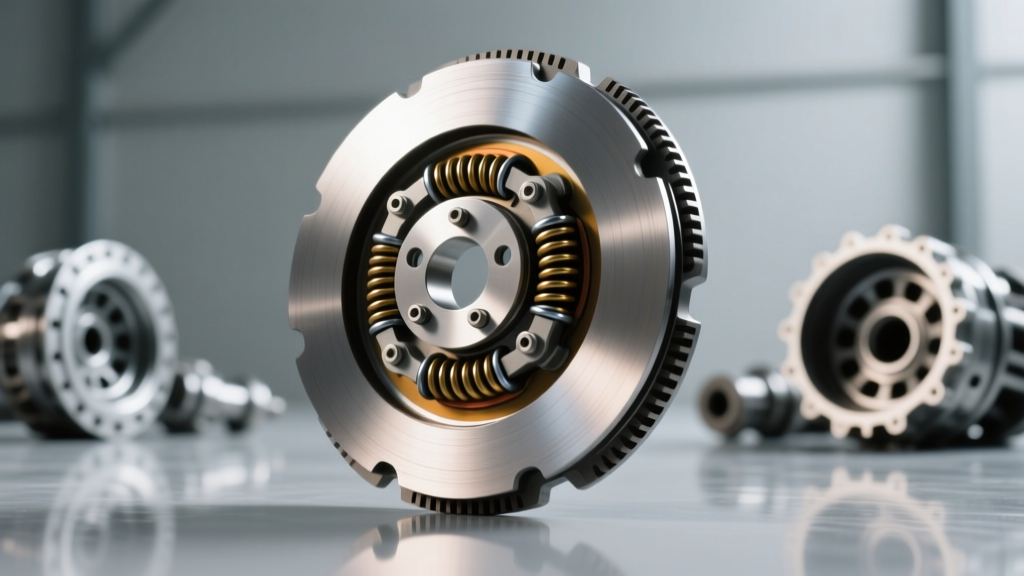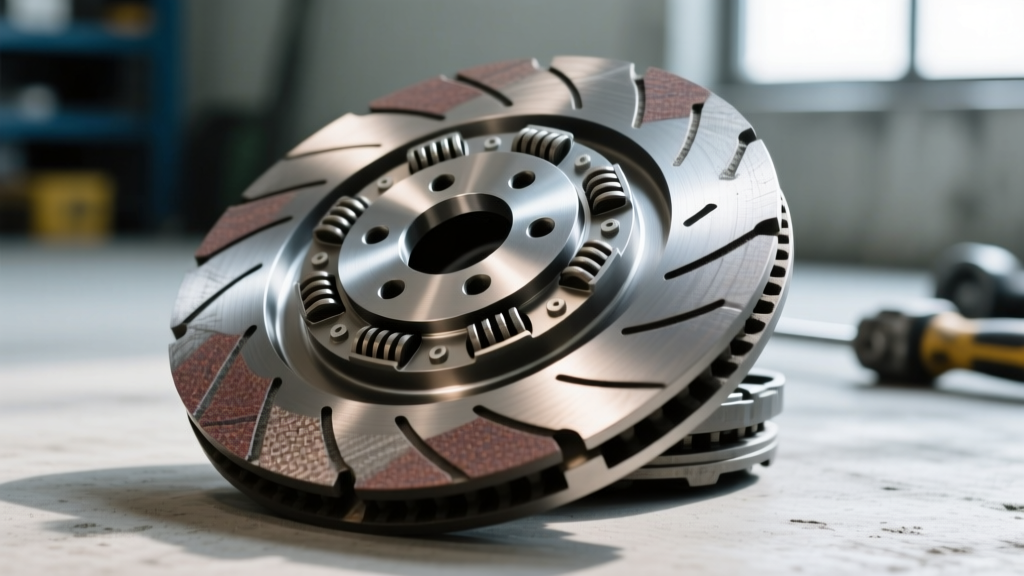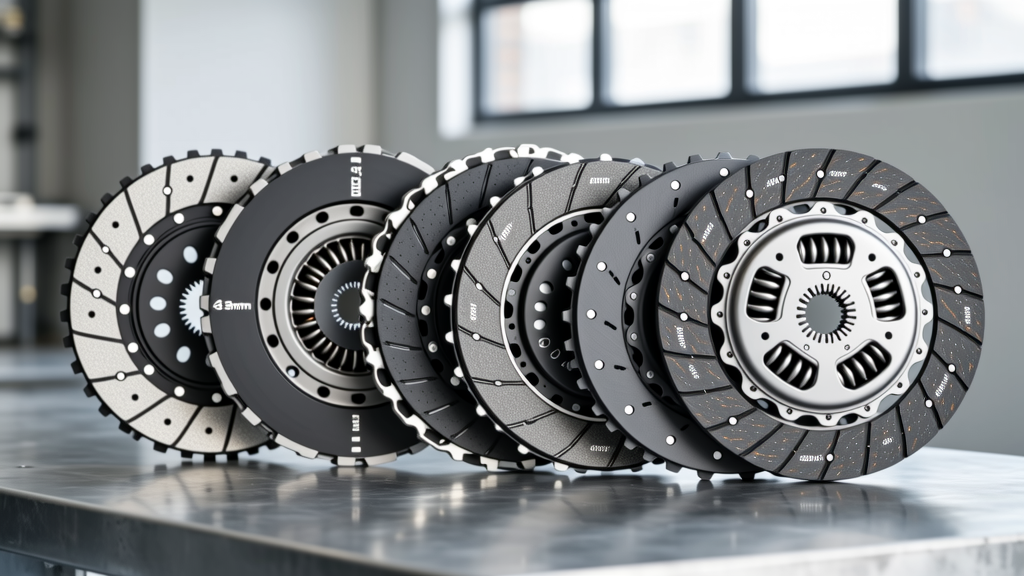
When a clutch disc plate fails, replacement should not be chosen by part number alone. Match Alternatives To Evidence means comparing measurable facts: spline count, hub centerline, disc thickness, lining area, friction material type, flywheel condition, pressure plate clamp load, torque capacity, heat cycle behavior, and application duty. This approach prevents a direct fit disc from slipping early, overheating, or causing shudder. A good alternative is not simply cheaper; it is a verified substitute whose geometry and friction evidence meet or exceed the original design intent. The following method uses real measurements, brand examples, and workshop checks to select clutch disc plate alternatives that stay reliable under daily driving, towing, or performance use.
Match Alternatives To Evidence: What the Phrase Means
Evidence is the physical and numerical record that connects an old failed part to a suitable replacement. In clutch work, evidence includes stamped numbers on the disc hub, spline count, inside diameter, hub protrusion, disc thickness, damper spring style, friction lining compound, rivet pattern, and the condition of the mating flywheel and pressure plate. A part number is useful, but it can hide changes. For example, a 2016 and 2020 model from the same manufacturer may use discs with identical outside diameter but different hub centerline or lining compound. If you only cross reference the number, you may install a disc that mechanically fits but thermally fails.
Matching alternatives to evidence also means matching the duty. A light duty organic disc from Valeo may be perfect for a daily commuter car, but a 2004 Dodge 2500 diesel with 600 lb ft of torque needs stronger evidence than a generic direct fit. In that case, you look at clamp load, lining area, heat capacity, and whether the alternative is an upgraded heavy duty design from Exedy, Luk, Sachs, or a performance brand such as Centerforce, ACT, Northstar, or Comp Clutch. The correct alternative is the one that solves the observed failure, not just the one that bolts on.
Evidence Table: Measurements That Identify Real Alternatives
| Evidence item | Typical measurement | What it tells you | Alternative match rule |
|---|---|---|---|
| Spline count | 10, 12, 14, 16, 18, 23, 26 | Input shaft compatibility | Exact match; do not file or force |
| Hub centerline | 0.625 in to 0.900 in | Disc position relative to shaft | Must match within 0.010 in |
| Disc thickness | 0.550 in to 0.800 in | Free play and release bearing travel | Stay within 0.020 in of OEM unless pressure plate is matched |
| Friction area | 18 to 35 sq in | Torque capacity and heat sink | Equal or larger for towing or high torque |
| Friction material | organic, semi metallic, ceramic, carbon | Grab, heat, noise, wear | Match duty not just compound name |
| Clamp load | 1,000 lb to 1,800 lb | Pressure plate force | Verify with tooling or supplier spec |
| Torque capacity | 180 lb ft to 800 lb ft | Application limit | Alternative must exceed peak torque with 15 percent margin |
The table is not a substitute for application engineering, but it is the first evidence gate. If a candidate disc has the same outside diameter but a friction area 6 square inches smaller, it may still look like a match. In reality, smaller lining area can increase surface pressure, generate more heat, and reduce life. A 10 percent loss in friction area on a truck clutch can be the difference between 80,000 miles and 25,000 miles.
Hub, Spline, and Thickness Evidence
Hub and spline evidence is mechanical. Count splines carefully with a mirror and good light. A 23 spline Toyota or Nissan input shaft cannot accept a 26 spline disc, and a 10 spline motorcycle style hub is not interchangeable with passenger car hubs. Measure the hub centerline from the backside of the disc to the center of the hub bore. If the hub is only 0.030 in off, the release bearing may push at the wrong angle, causing wear, noise, or incomplete disengagement. For thick heavy duty discs, also measure the damper spring window depth and spring wire diameter. A disc with 0.120 in springs versus 0.140 in springs changes pedal feel and driveline shock absorption.
Disc thickness evidence affects pedal free play and clutch life. Many organic discs are around 0.600 in thick, while ceramic or heavy duty discs can be 0.720 in or more. If you install a thicker disc without checking the pressure plate release finger clearance, the bearing may run closer to the fingers and overheat. If you install a thinner disc, the release bearing may need more travel, and the clutch can slip because clamp load geometry changed. A caliper, micrometer, and original service data are better than guesswork.
Friction Surface and Clamping Evidence
Friction surface evidence includes rivet count, rivet height, wear indicator grooves, surface chamfers, and whether the lining is organic or metallic. A 10 rivet disc may be lighter duty than a 16 rivet disc with the same outside diameter. Check for heat checking, glazing, or rivet wear. If old disc has deep glazing and the flywheel is scored beyond 0.015 in, a brand new disc will not fix the problem. The mating surfaces are part of the evidence. A new clutch on a warped flywheel can show shudder in 500 miles, which people incorrectly blame on the disc.
Clamping evidence comes from the pressure plate. Diaphragm spring pressure plates commonly exert 1,000 to 1,500 lb of clamp load. Coil spring plates can be higher, sometimes 1,500 to 1,800 lb or more in heavy duty setups. A disc alternative must be compatible with that load. A low friction coefficient organic disc used behind a 1,800 lb diaphragm may be too grabby for a small car, while a low clamp load street pressure plate behind a ceramic disc may slip under 350 lb ft of torque. Match the disc to the entire assembly, not just the disc alone.
Brand and Material Evidence: Reading the Friction Stack
Brand names give you a pattern of evidence. Valeo and Luk often supply original equipment organic discs for European and Asian vehicles. Sachs is common in European applications and has strong OEM heritage. Exedy is widely used in Japanese and performance replacements, with organic, ceramic, and dual friction lines. Centerforce and ACT are known for upgraded street performance, while Northstar and Comp Clutch often appear in racing or heavy duty builds. Eaton and Tremec knowledge is useful in diesel and transmission applications, especially when matching flywheel, disc, and input shaft specs.
However, brand alone is not enough. A Luk organic disc may be perfect for a Volkswagen daily driver, but the same organic concept may fail in a Ford Super Duty diesel under frequent towing. A Valeo twin disc clutch can be excellent for a low friction street build, while a single disc heavy duty ceramic from Exedy or Sachs may be the correct evidence based alternative for a truck that needs clamp load and heat capacity. Read the material evidence: friction coefficient, heat resistance, wear pattern, noise, and release characteristics.
- Organic lining: quiet, forgiving, good for daily driving, lower heat limit.
- Semi metallic: higher heat tolerance, more grab, possible noise.
- Ceramic or carbon: high torque and heat capacity, stiffer engagement, more wear sensitive.
- Low friction materials: easier pedal and smoother release, but may require more clamp load.
- Performance compounds: improved capacity, but may reduce lifespan in stop and go traffic.
Using Friction Material as Evidence
Friction material evidence starts with the failure mode. If the old disc has uniform wear and slightly glazed pads, the problem may be heat from towing or aggressive launches. If the lining has hot spots, the flywheel may be warped or the pressure plate may have uneven clamp load. If the disc has oil contamination, new material will not solve the source leak. For a 4.3 liter V6 with 220 lb ft torque, an organic disc with 24 sq in friction area may be adequate. For a 6.7 liter diesel with 800 lb ft torque, you need larger area, higher heat capacity, and often a higher clamp load pressure plate.
Also read the manufacturer intended duty. Exedy lists many discs as stock, HD, or ceramic. Sachs and Luk provide OE style and reinforced options. Centerforce has dual friction and paddle style designs that trade some noise and pedal feel for capacity. ACT and Northstar often target racing or severe duty. The evidence is not which brand sounds stronger, but which material family fits the heat, torque, and engagement behavior of the vehicle. A high performance disc in a school bus fleet may fail faster because frequent half clutch use destroys the lining.
How to Match Alternatives Step by Step
- Remove the old disc and record all physical evidence before cleaning it.
- Count splines, measure hub centerline, disc thickness, and outside diameter.
- Inspect damper springs, windows, rivets, and lining wear.
- Measure flywheel runout and surface flatness within 0.003 in total runout.
- Check pressure plate release finger condition and clamp load if possible.
- Compare torque capacity with engine peak torque plus 15 percent.
- Cross reference at least two brand catalogs using measurements, not only part numbers.
- Confirm application year, engine, transmission, and flywheel type.
- Install with proper alignment tool and specified torque sequence.
- Test with cold engagement, road load, and heat cycle before sign off.
This process turns a guess into a verifiable match. If a candidate disc has the same part number family but does not meet hub centerline or friction area evidence, reject it. If it meets geometry but is rated for lower torque, reject it. If it meets all evidence but the pressure plate is weak, replace the pressure plate too. Clutch systems fail as assemblies, not isolated parts.
Common Evidence-Based Mistakes
One common mistake is assuming a direct fit disc is automatically a correct alternative. Many aftermarket kits list fitment for a broad model range. A disc may be cataloged for a 2008 to 2016 engine, but the 2012 revision changed the hub centerline from 0.720 in to 0.750 in. Another mistake is ignoring flywheel evidence. A 0.020 in warped flywheel can cause shudder and uneven heat that destroys a new disc within 5,000 miles. Resurfacing limits matter: many OEM flywheels can only be machined 0.010 in to 0.020 in before replacement is required.
Another mistake is mixing friction materials without adjusting clamp load. A driver may choose a semi metallic disc to reduce slipping, but the increased friction coefficient can make the clutch harsh and accelerate pressure plate wear. Conversely, a low friction disc can reduce pedal effort but may slip if the pressure plate is original and weak. Also, installing a thick heavy duty disc on a stock hydraulic slave cylinder can exhaust bearing travel. The pedal may feel normal on a lift but fail under hot load.
Workshop Verification Checklist
A good verification checklist keeps evidence in one place. Record old and new disc part numbers, but also record measurements. Include engine code, transmission code, spline count, hub centerline, disc thickness, friction area, damper spring size, flywheel flatness, pressure plate clamp load, and torque capacity. Take note of vehicle duty: daily, towing, racing, or commercial. If a customer complains about slipping after 15,000 miles, this record tells you whether the alternative was under rated or the flywheel was out of specification.
For real world validation, test heat in stages. Start with cold engagement, then normal road load, then a controlled hill or towing cycle. Use an infrared thermometer on the bell housing to compare before and after. A stock clutch in a 300 lb ft gasoline pickup may show housing temperature rise of 40 C to 70 C during moderate use. A slipping or undersized clutch may rise faster and stay hot. If the disc is new but the release bearing is noisy, suspect alignment, hub centerline, or bearing pre load, not just brand preference.
Finally, keep evidence for warranty and repeat failures. A shop that only saves a part number cannot prove whether a disc failed due to material, application, or installation. A shop that saves measurements, flywheel readings, and torque data can prove that an Exedy organic disc, a Luk reinforced disc, a Sachs heavy duty disc, or a Valeo twin disc was matched to evidence. That is what separates a quick replacement from a reliable repair.